
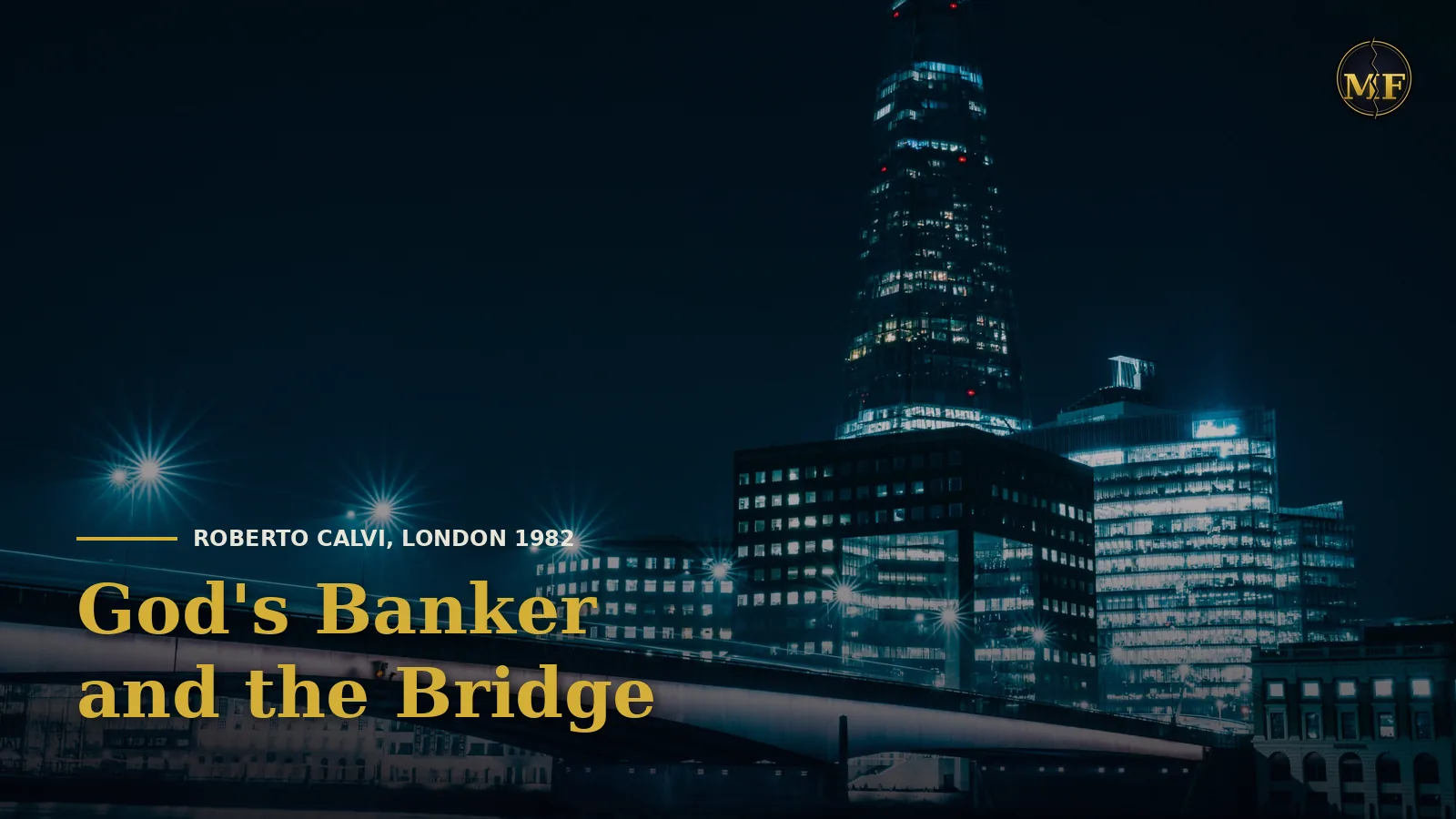
Quick answer: Roberto Calvi, chairman of Milan’s Banco Ambrosiano and known as God’s Banker for his ties to the Vatican Bank, was found dead under Blackfriars Bridge in London on June 18, 1982. A first inquest said suicide, a second returned an open verdict, and a Rome court acquitted all five people tried for murder in 2007. No one has been convicted.
Roberto Calvi ran Banco Ambrosiano, then Italy’s largest private bank, and he was so close to the Vatican’s own bank that the press called him “God’s Banker,” the Associated Press reported. On the morning of June 18, 1982, his body was found hanging from scaffolding under Blackfriars Bridge in the City of London, BBC News recorded. His pockets held bricks and stones, and he was carrying cash in three currencies worth several thousand pounds, The Guardian reported. He was 62.
Within weeks his bank collapsed, owing far more than anyone had admitted. More than 40 years later, two British inquests, an exhumation, a forensic report, a Rome murder trial and two appeals have not produced a single conviction. This file sets out what the courts and official records actually say about Roberto Calvi, the Vatican Bank scandal and the night on Blackfriars Bridge, and keeps the rumors out.
Key facts
- Who: Roberto Calvi (died 1982, aged 62), chairman of Banco Ambrosiano of Milan, nicknamed “God’s Banker”
- Found: under Blackfriars Bridge, City of London, on the morning of June 18, 1982
- Inquests: suicide (July 1982); then an open verdict (July 1983)
- Forensic report: experts in Rome concluded in October 2002 that he was murdered
- Trial: five defendants charged in Italy in 2005; all five acquitted on June 6, 2007; acquittals final in 2011
- The bank: irrecoverable debts of $1.287 billion found by auditors; bankrupt August 26, 1982
- Vatican Bank: paid $240.9 million to creditor banks in 1984 as a “voluntary contribution” while denying any liability
- Status: no court has established who was responsible for his death
Who Was Roberto Calvi?
Roberto Calvi spent his whole career at one Milan bank. He joined Banco Ambrosiano as a clerk and had worked there for 24 years when he took charge of it in 1971, TIME reported in 1982. The bank, founded in Milan in 1896, according to the historical archive of its successor, Intesa Sanpaolo, had a strongly Catholic identity. Until the early 1970s, TIME noted, people who wanted to buy its shares had to show a baptismal certificate.
Calvi was shy and avoided publicity, The Independent wrote, and was seen as a devout Catholic who won a special place of trust with the Vatican Bank. He wanted to turn a respectable regional bank into an international one. By the early 1980s his group had bought 40% of the Rizzoli publishing house, owner of Corriere della Sera, Italy’s biggest newspaper, The Guardian reported in 1982.
Why Was Calvi Called God’s Banker?
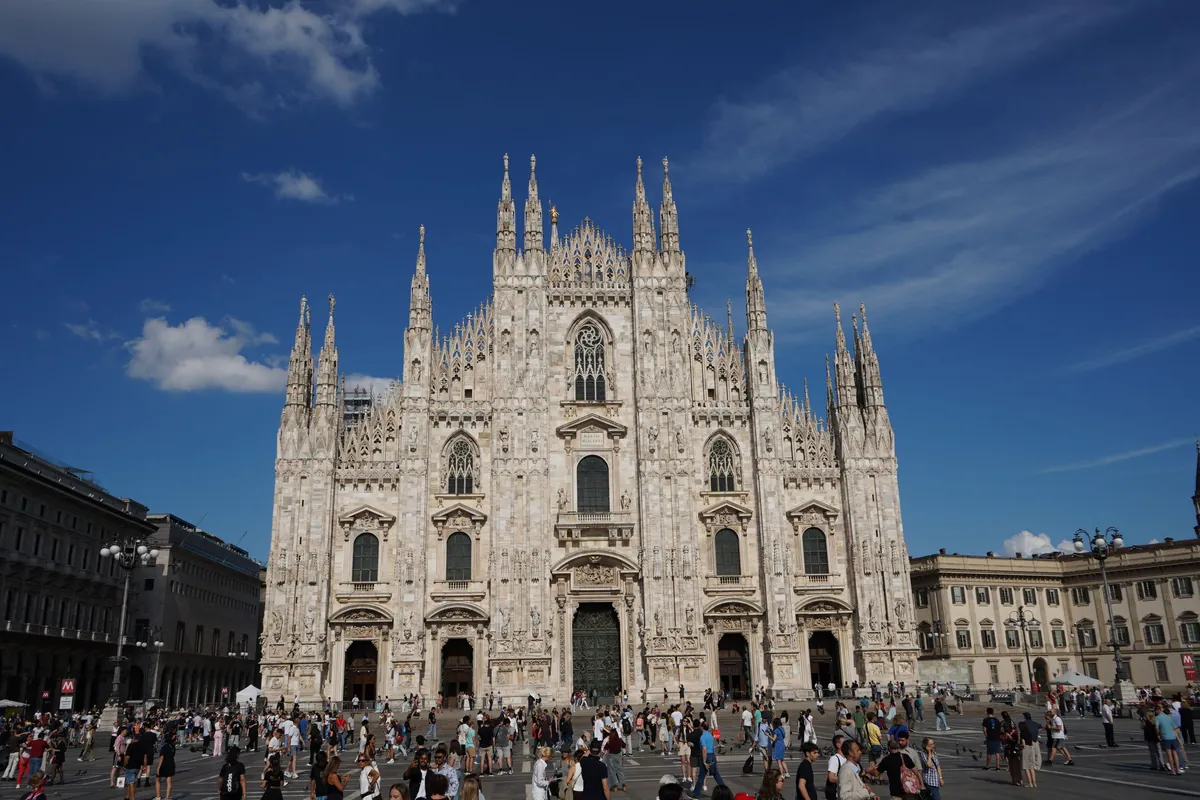
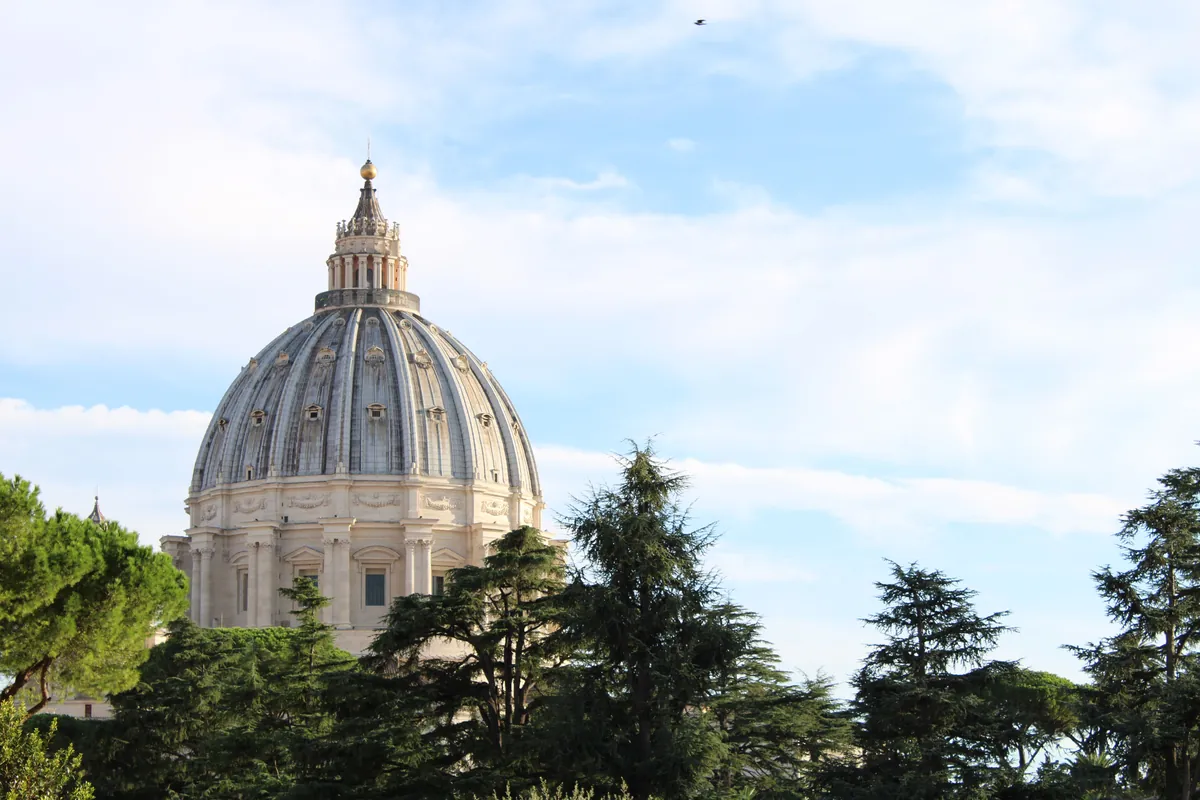
The nickname came from his close ties to the Vatican, AP and CBC News reported. The Vatican Bank, formally the Institute for the Works of Religion (IOR), was founded in 1942 and served only depositors connected with the Vatican, TIME explained. It held 1.589% of Banco Ambrosiano, making it the fourth-largest shareholder, UPI reported.
The IOR was run by Archbishop Paul Marcinkus, born in Cicero, Illinois, who also sat on the board of Ambrosiano’s subsidiary in Nassau, the Bahamas. According to TIME, it was the financier Michele Sindona who introduced Calvi to Marcinkus in 1971. “I have no banking experience,” Marcinkus once said of his appointment, TIME recorded.
How Banco Ambrosiano Built a Bank Behind the Bank
Calvi expanded abroad, where Italy’s banking rules did not reach. TIME reported that he formed a Luxembourg holding company and used it to set up banks in Switzerland, the Bahamas, Peru and Nicaragua, plus companies in Panama, Luxembourg and Liechtenstein. A Panamanian company could be started with as little as $10,000 of capital, and Calvi launched at least a dozen of them, with employees of his Bahamas bank, including the switchboard operator, listed as directors, according to TIME.
Italy’s Treasury minister, Beniamino Andreatta, later explained the money trail to parliament. Lending ran first through Banco Ambrosiano Overseas in Nassau, then partly through Managua from 1977, and from 1978 and 1979 through Banco Ambrosiano Andino, the group’s Peruvian bank. He told deputies that Ambrosiano’s foreign banks had lent $1,159 million to the IOR and to companies it sponsored, and that interest was never paid but added to the debt, according to the official record of the Chamber of Deputies sitting of October 8, 1982. He also described fraudulent conduct by the group’s top management, which had constantly tried to escape banking controls.
TIME reported that the shell companies used about $400 million to buy shares in Banco Ambrosiano itself and other securities. The debts were in dollars, while the shares were in lire.
What the money figures mean
| Figure | What it measures | Source |
|---|---|---|
| $1,159 million | Loans by Ambrosiano’s foreign banks to the IOR and IOR-sponsored companies (official statement, October 1982) | Italian Chamber of Deputies |
| About $1.4 billion | Debts of four subsidiaries the Bank of Italy asked Calvi to explain in June 1982 | The Guardian, 1982 |
| About $400 million | Used by the shell companies to buy Ambrosiano and other shares (reported) | TIME, 1982 |
| $1.287 billion | Irrecoverable debts found by auditors, the actual loss to the bank | UPI, 1984 |
| $250 million / $240.9 million | IOR “voluntary contribution” agreed / actually paid in 1984, with liability denied | UPI, 1984 |
| About $27 million | Capital Calvi was convicted of illegally exporting in 1975 and 1976 | TIME, 1982 |
Sindona, the P2 List and a Conviction
One of Calvi’s close associates was Michele Sindona, a Sicilian financier and onetime Vatican financial adviser. Sindona’s Franklin National Bank collapsed in 1974 in what was then the largest bank failure in US history, and a US federal court convicted him in 1980, UPI reported. In 1986 a Milan court convicted Sindona of ordering the 1979 murder of Giorgio Ambrosoli, the court-appointed liquidator of his businesses. Sindona died in prison that year after drinking poisoned coffee, and an investigating magistrate ruled his death a suicide, UPI reported.
In March 1981, investigators searching the property of Licio Gelli, grand master of the secret P2 Masonic lodge, seized files listing 962 people described as members or contacts, UPI reported. Calvi’s name was on the list. When it was published in May 1981, it named cabinet ministers, bankers, military officers and journalists, most of whom denied membership, and the Italian government of Arnaldo Forlani fell on May 26, 1981, according to UPI. Milan magistrates described P2 as “a secret sect that has combined business and politics with the intention of destroying the constitutional order of the country.”
Calvi was arrested on May 20, 1981, and went on trial in Milan with ten other financiers on May 29, UPI reported. In July 1981 he was found guilty of illegally exporting about $27 million in capital, mostly to Switzerland, in 1975 and 1976, and sentenced to four years in prison and a fine. He was released pending appeal and stayed at the head of the bank, TIME reported. That appeal was due to be heard within days of his death.
Two Letters, Five Days Apart
In September 1981 the IOR issued “letters of patronage” stating that the Panama shell companies were controlled, directly or indirectly, by the Vatican Bank. Five days earlier, Calvi had written the IOR a letter relieving it of any responsibility for those companies, UPI reported. The Ambrosiano group’s Latin American banks that had lent the money were never told about the second letter, TIME reported, and the letters of patronage did not legally oblige the IOR to pay.
When the letters expired in June 1982, Marcinkus declined to renew them. On July 2, 1982, the IOR told Ambrosiano’s administrators that the letters were declarations of courtesy and that it would not honor the companies’ debts, the Treasury minister told parliament. “I have never done anything that can be considered fraud,” Marcinkus told TIME.
The Last Week: Rome to London
In early June 1982 the Bank of Italy asked Calvi to account for about $1.4 billion in debts owed by four foreign subsidiaries, and his own board overruled him and agreed to cooperate, The Guardian reported. On June 11 he disappeared from his Rome home. He left Italy on a false passport in the name Gian Roberto Calvini, with his moustache shaved off, BBC News reported, carrying a briefcase believed to contain documents about the bank.
His route ran by private plane from Rome to Venice, by car to Trieste, by speedboat to Yugoslavia, through a chalet in Austria and then by air to England. In London he stayed in flat 881 at Chelsea Cloisters, a residential hotel, at 40 pounds a night, The Independent reported. Police later admitted they had no idea how he got from there to Blackfriars Bridge.
On June 17, Ambrosiano’s board stripped Calvi of his powers, a commissioner was appointed and trading in the shares was suspended, TIME reported. That evening his secretary, Graziella Corrocher, 55, died after a fall from the bank’s Milan headquarters. She left a note cursing Calvi “for the damage he has caused to the bank and its employees,” UPI reported. By 8 o’clock the next morning, Calvi’s body had been found in London.
Blackfriars Bridge: What the Two Inquests Found
The first London inquest, in July 1982, returned a verdict of suicide. The coroner found no marks of violence and no drugs except one sleeping pill, and Calvi’s money and watch were still on him, The Independent reported. City of London Police were later criticized for deciding within the first 24 hours that it was suicide, The Guardian noted.
His widow and his son, Carlo, always insisted he had been murdered. The family forced a second inquest, which in July 1983 returned an open verdict, BBC News recorded. Carlo Calvi pointed out, according to The Independent, that his father was 62, overweight and suffered from vertigo, yet would have had to climb over a stone parapet and down a ladder of about 12 feet in the dark.
The yellow paint and the shoes
Investigators hired by the family rebuilt the scaffolding and sent a stand-in along every possible route in the same kind of shoes. Each time, the shoes picked up yellow paint from the poles. Calvi’s shoes had none, The Independent reported. In 1998 his body was exhumed at the family’s request.
Some Italians noted in 1982 that the bridge’s name echoed the way P2 members were said to call one another “friar,” TIME reported. Carlo Calvi told the BBC in 2004 that he did not subscribe to that theory, BBC News reported.
Was Roberto Calvi Murdered? The Forensic Report and the Rome Trial
In October 2002, a forensic report by experts in Rome concluded that Calvi had been murdered, BBC News reported. Further tests in 2003 found no paint or metal traces from the scaffolding on his shoes and clothing, indicating that he had not climbed it, the AP reported. In September 2003, City of London Police reopened the case as a murder inquiry. “We have been applying 21st-century forensics and investigative techniques to a 21-year-old crime,” said Detective Superintendent Trevor Smith.
In April 2005, murder charges were brought in Italy against five people: Giuseppe Calo, Flavio Carboni, Ernesto Diotallevi, Silvano Vittor, who had been Calvi’s driver and bodyguard, and Manuela Kleinszig, Carboni’s former girlfriend. The trial opened in October 2005 in a special courtroom at Rebibia prison in Rome. Prosecutors alleged that Calvi had laundered money for the Mafia and was killed because he might talk, BBC News reported. None of the five was accused of physically killing him, and every one of them was acquitted.
The verdict, in the courts’ own terms
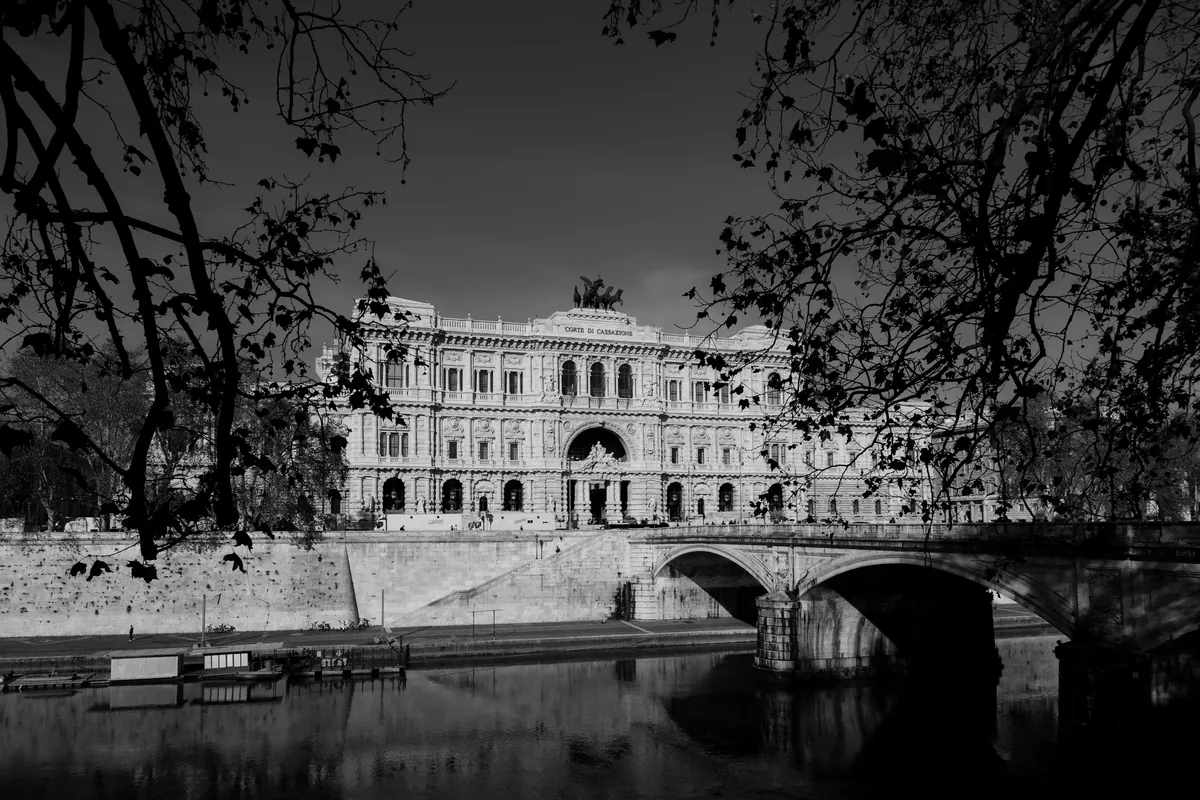
On June 6, 2007, after a 20-month trial, the Rome court acquitted all five defendants for insufficient evidence, The Guardian reported. Prosecutors had themselves asked for Kleinszig’s acquittal. On May 7, 2010, Rome’s appeal court confirmed the acquittals of Carboni, Calo and Diotallevi; those of Vittor and Kleinszig were already final, la Repubblica reported (in Italian). On November 17, 2011, Italy’s Court of Cassation rejected the prosecutors’ final appeal, making all the acquittals final, RAI reported (in Italian).
The appeal ruling, agreeing with the trial court, stated that Calvi was killed and that suicide had to be ruled out, as quoted in the journal Questione Giustizia. It did not find who killed him. Among its reasons, it noted that Blackfriars Bridge was more than 7 km from Chelsea Cloisters and that the London Underground stopped running at 11 pm. “It is disappointing for Roberto Calvi’s family in particular that those responsible for his murder have still not faced justice,” City of London Police said after the 2007 verdict, BBC News reported.
| Date | Event |
|---|---|
| 1971 | Calvi takes charge of Banco Ambrosiano |
| March 17, 1981 | P2 files seized; Calvi’s name on the list |
| July 1981 | Convicted of illegally exporting capital; four years, freed pending appeal |
| September 1981 | IOR letters of patronage, five days after Calvi’s letter releasing the IOR |
| June 11, 1982 | Calvi leaves Italy on a false passport |
| June 18, 1982 | Found under Blackfriars Bridge, London |
| July 1982 | First inquest: suicide |
| August 26, 1982 | Banco Ambrosiano declared bankrupt |
| July 1983 | Second inquest: open verdict |
| July 2, 1984 | IOR pays $240.9 million, denying liability |
| July 17, 1987 | Italy’s Court of Cassation voids arrest warrants for Marcinkus and two IOR officials |
| 1998 | Body exhumed |
| October 2002 | Rome forensic report concludes murder |
| September 2003 | City of London Police reopen the case as murder |
| June 6, 2007 | Rome court acquits all five defendants |
| May 7, 2010 | Appeal court confirms the acquittals |
| November 17, 2011 | Court of Cassation makes the acquittals final |
The Banco Ambrosiano Collapse and the Vatican Bank Payment
Banco Ambrosiano was put into compulsory liquidation on August 6, 1982. A new bank, Nuovo Banco Ambrosiano, was set up two days later by the banks that funded it, and a Milan court declared the old bank bankrupt on August 26, 1982, UPI reported. Auditors found irrecoverable debts of $1.287 billion, UPI reported. “As a Catholic, I am against this strange, secret, uncontrolled, scandal-filled administration,” Treasury minister Andreatta said of the IOR, TIME reported.
On May 25, 1984, in Geneva, the IOR agreed to pay $250 million to Ambrosiano’s creditors while denying any liability. It paid $240.9 million on July 2, 1984, with a discount for early payment, for 109 foreign banks that had agreed to recover 68% of what they were owed, UPI reported. The Vatican said it had “decided to make a voluntary contribution in order to facilitate a global solution.” No court ever found the Vatican Bank liable.
In February 1987, Milan magistrates issued arrest warrants for Marcinkus and two lay IOR officials, Luigi Mennini and Pellegrino De Strobel, as accessories to fraudulent bankruptcy. On July 17, 1987, Italy’s Court of Cassation voided the warrants under the treaty between Italy and the Vatican, the Los Angeles Times reported. All three maintained their innocence, and none was ever convicted. Marcinkus retired to Arizona and died in 2006. Licio Gelli was later jailed for fraud in connection with the bank’s collapse but was never charged in connection with Calvi’s death, BBC News reported.
Bank failures built on borrowed confidence follow a pattern. Our Charles Ponzi file shows how a run broke Boston’s Hanover Trust in 1920, and the Enron scandal shows how hidden off-balance-sheet companies can sink a giant.
What We Actually Know
- Roberto Calvi was found under Blackfriars Bridge on June 18, 1982, with bricks and stones in his pockets.
- One British inquest said suicide; a second returned an open verdict.
- A 2002 forensic report and the 2010 Rome appeal ruling both said he was killed.
- All five people tried for his murder were acquitted, and the acquittals are final.
- Banco Ambrosiano left $1.287 billion in irrecoverable debts; the Vatican Bank paid $240.9 million while denying liability.
- No court has ever established who was responsible for his death.
Key takeaways
- Roberto Calvi was called God’s Banker because of his close ties to the Vatican Bank.
- His Banco Ambrosiano lent $1,159 million to the IOR and IOR-sponsored companies through offshore banks, Italy’s Treasury minister told parliament.
- He was found under Blackfriars Bridge in 1982; the inquests said suicide, then an open verdict.
- Five people were tried for murder in Rome and all were acquitted; the acquittals became final in 2011.
- The case remains officially unsolved.
Roberto Calvi and the Vatican Bank Scandal: FAQ
Who was Roberto Calvi?
Roberto Calvi was the chairman of Banco Ambrosiano of Milan, then Italy’s largest private bank. He was found dead under Blackfriars Bridge in London on June 18, 1982, aged 62.
Why was Roberto Calvi called God’s Banker?
Because of his close ties to the Vatican. The Vatican Bank, formally the Institute for the Works of Religion (IOR), was a shareholder in Banco Ambrosiano and was linked to its offshore lending.
How did Roberto Calvi die?
He was found hanging from scaffolding under Blackfriars Bridge. A first inquest in 1982 said suicide and a second in 1983 returned an open verdict. A 2002 forensic report in Rome concluded he was murdered. No court has established who was responsible.
Was anyone convicted of killing Roberto Calvi?
No. Five people were tried in Rome and all were acquitted for insufficient evidence on June 6, 2007. The acquittals were confirmed on appeal in 2010 and became final in 2011.
What was the Banco Ambrosiano scandal?
Banco Ambrosiano lent huge sums through foreign subsidiaries to Panama shell companies linked to the Vatican Bank. It collapsed in 1982 with irrecoverable debts of $1.287 billion and was declared bankrupt on August 26, 1982.
Did the Vatican Bank pay for the collapse?
In 1984 the Vatican Bank paid $240.9 million to creditor banks as a voluntary contribution while denying any liability. No court found it liable.
What was the P2 lodge?
P2 was a secret Masonic lodge led by Licio Gelli. Its membership list, seized in 1981, named 962 people, including Calvi. Milan magistrates called it a secret sect aiming to destroy Italy’s constitutional order.
Who was Paul Marcinkus?
An American archbishop who ran the Vatican Bank. Italian arrest warrants issued for him in 1987 were voided by Italy’s highest court. He maintained his innocence, was never convicted and died in 2006.
Where was Roberto Calvi found?
Under Blackfriars Bridge, on the River Thames in the City of London, more than 7 km from the Chelsea Cloisters hotel where he was staying.
Why were there bricks in his pockets?
Bricks and stones were found in his pockets and clothing. The family’s investigators argued he could not have climbed the scaffolding himself, since his shoes had no paint from the poles. How they got there has never been established in court.
The Verdict
Roberto Calvi’s story is a bank that grew a second, hidden bank offshore, a Vatican connection no one could fully explain, and a death two countries could not agree on. The British inquests ended in suicide and then an open verdict. The Rome courts said he was killed but acquitted everyone tried. On the record as it stands, the death of God’s Banker is still unsolved.
Sources and further reading
- Italian Chamber of Deputies: Treasury Minister Beniamino Andreatta on Banco Ambrosiano, sitting of October 8, 1982 (official record, in Italian)
- Questione Giustizia: The death of the banker Calvi, quoting the Rome appeal court ruling (in Italian)
- RAI: Court of Cassation ruling in the Calvi case, November 17, 2011 (in Italian)
- la Repubblica: Rome appeal verdict in the Calvi case, May 7, 2010 (in Italian)
- Intesa Sanpaolo Historical Archive: Banco Ambrosiano Veneto
- BBC News: Five acquitted over Calvi death (June 6, 2007)
- BBC News: God’s Banker death still a mystery (June 6, 2007)
- The Guardian: Five cleared of Calvi murder (June 6, 2007)
- The Guardian archive: Top banker found hanged (June 20, 1982)
- Associated Press via NBC News: All acquitted in God’s banker murder trial (June 6, 2007)
- CBC News: 5 accused in 1982 God’s banker murder acquitted (June 6, 2007)
- The Independent: The case of God’s Banker, the trial begins (October 5, 2005)
- TIME: Scandal at the Pope’s Bank (July 26, 1982)
- TIME: Italy, The Great Vatican Bank Mystery (September 13, 1982)
- UPI: Italian government collapses over Masonic scandal (May 26, 1981)
- UPI: Eleven prominent financiers went on trial (May 29, 1981)
- UPI: Documents found in Licio Gelli’s home (June 12, 1981)
- UPI: Bank secretary’s death and Calvi’s disappearance (June 18, 1982)
- UPI: Bank linked to Vatican declared bankrupt (August 26, 1982)
- UPI: Untangling the Banco Ambrosiano scandal (May 6, 1984)
- UPI: The Vatican has paid $240.9 million to the foreign creditors (July 3, 1984)
- UPI: Magistrate rules financier killed himself (November 3, 1986)
- Los Angeles Times: Italy’s top court voids Vatican Bank warrants (July 18, 1987)
By Magnatefall Team. Facts are checked against court rulings, official records and major news reports. Where sources give different figures, we say so or leave the figure out. Everyone tried over Roberto Calvi’s death was acquitted. Spotted an error? Send a correction.
Watch the full file: The Vatican’s Banker Was Found Under a London Bridge. Our 36-minute documentary follows Roberto Calvi from a Milan bank counter to the Thames, through two inquests and a Rome trial. Free on YouTube, with new documentaries every day.
More files:
- Charles Ponzi: The 50% Promise That Broke Boston’s Banks
- Bernie Madoff’s Ponzi Scheme: $65 Billion and 150 Years
- Enron Scandal: 47 Days That Erased $63 Billion at Enron
- Ruja Ignatova and OneCoin: The $4 Billion Cryptocurrency That Never Existed
- Browse more in The Unsolved Ledger
- See every Magnatefall documentary file
Ask AI about this file
Prefer to watch? See this story on YouTube or subscribe to Magnatefall.
More files you should read


More Documentaries
 Documentary · Orkut: The Network That Lost Two Countries (opens YouTube in a new tab)
 Documentary · Sears: The Retail Giant That Died (opens YouTube in a new tab)
 Documentary · Vine: The 18 Stars Who Asked for $21.6 Million (opens YouTube in a new tab)
 Documentary · MySpace: The Internet Pioneer That Vanished (opens YouTube in a new tab)